


Calidad

Calidad
Información técnica
Descripción del sistema de producción
- El soporte utilizado, es un compuesto clásico de arcillas oportunamente dosificadas, que confieren una buena resistencia mecánica, y una satisfactoria geometría a las formas.
- Preparación del soporte, por vía seca tradicional, con forma dada por el prensado.
- Primera cochura en horno-túnel en ciclo lento.
- Selección del bizcocho.
- Esmaltado manual de los azulejos y demás piezas.
- Decoración manual de los azulejos y demás piezas.
- Segunda cochura en horno eléctrico en ciclo lento.
- Control visual de la calidad del producto terminado.
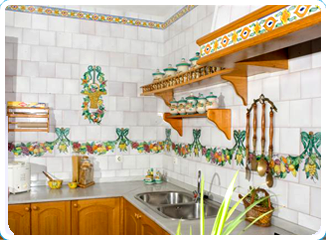
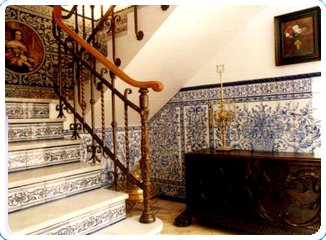
- La superficie esmaltada, tiene un elevado contenido estetico, y se presta particularmente para revestimiento mural, tanto interiores como exteriores.
Colocación
- Mortero de cemento y adhesivos sintéticos, pueden ser usados indistintamente.
- La buena geometría de los azulejos y motivos de diseño continuo, permiten la colocación sin juntas.
Resistencia a la abrasión
- La evaluación final de la resistencia a la abrasión superficial y a las ralladuras, es determinada por el resultado de las pruebas realizadas, y por la experiencia practica adquirida durante muchos años de fabricación y colocación, dé azulejos en distintas condiciones de uso y climatologías.
- No aconsejamos su utilización en zonas de hielo
- Nuestros azulejos, siendo específicamente destinados a revestimientos murales, su eventual utilización en el suelo, debe circunscribirse a la clasificación << Trafico ligero>>, es decir, producto recomendado únicamente para habitaciones, porches, patios y baños privados.
Cuarteado o craquelado
El fenómeno del cuarteado, es tradicionalmente inherente a casi toda nuestra gama de esmaltes, a los cuales otorga una única y peculiar profundidad.
El cuarteado, no afecta en este caso a la durabilidad del esmaltado, según puede comprobarse en los azulejos utilizados en España en los siglos XII y XIII por los árabes y XVI por la escuela italiana de Niculoso Pisano (re. Alambra de Granada,
Alcázar de Sevilla, etc.)